What Home Rekeying Actually Involves — and Why It Is More Than Just Changing Locks
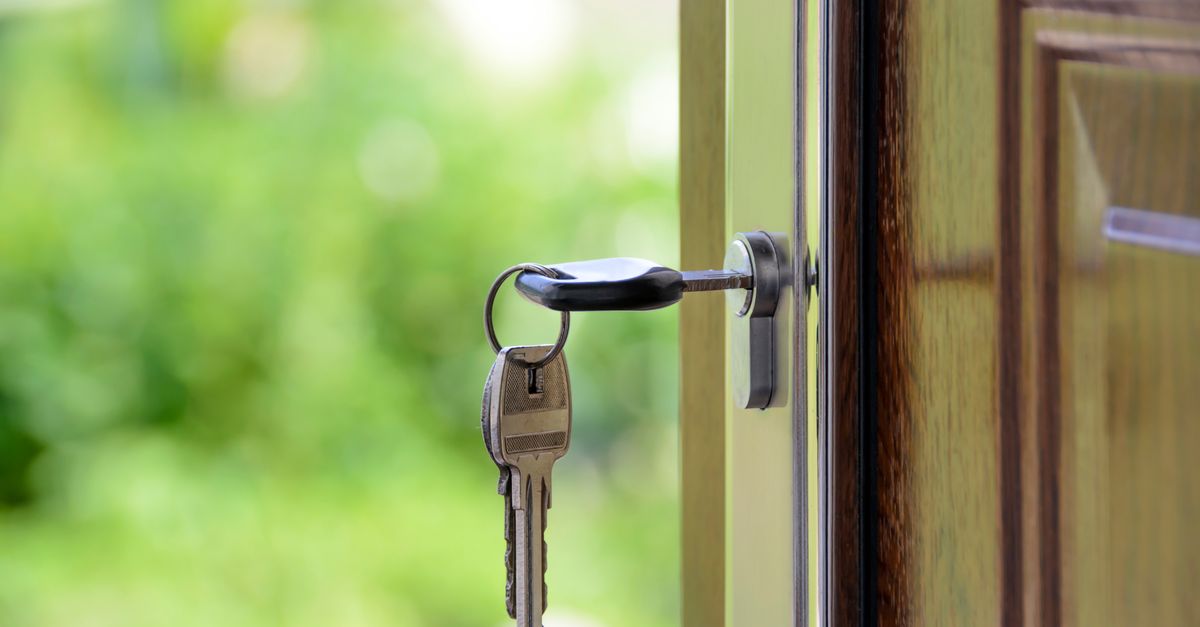
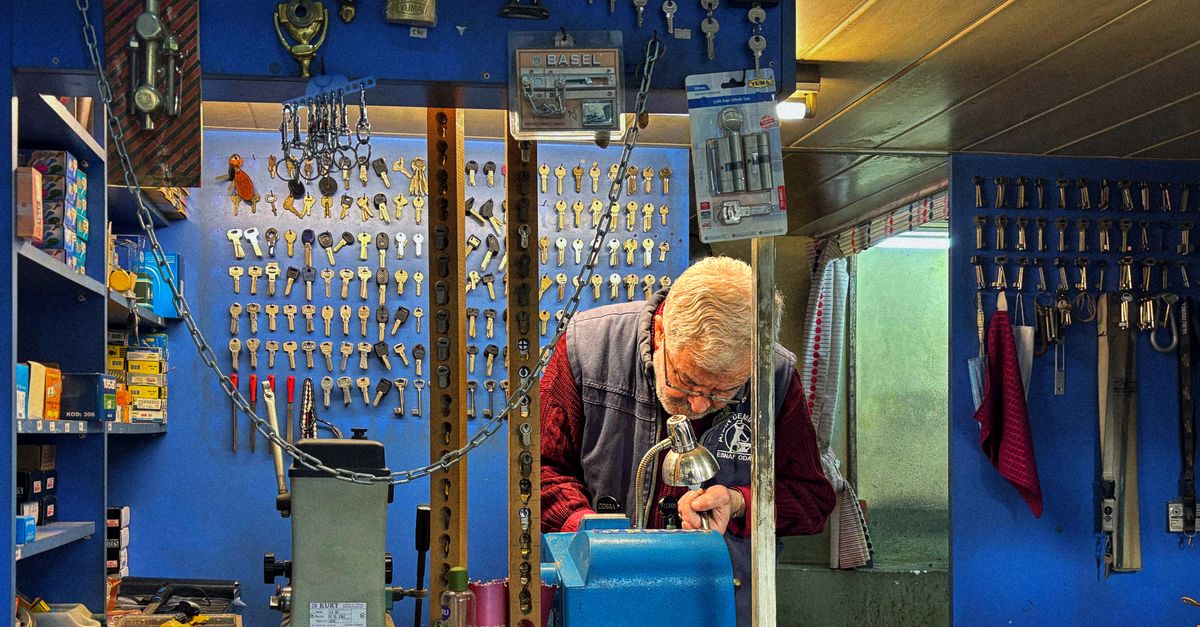
Rekeying modifies the internal pin tumbler configuration of your existing lock cylinder so that your old keys no longer work and a new key is the only one that operates the lock. For most standard door knob lock and deadbolt combinations, this process preserves the hardware you already have installed — saving time and avoiding unnecessary replacement costs — while completely invalidating every previously cut key. Our technicians carry a comprehensive set of rekeying tools and replacement pins for the most common residential lock brands, including Schlage and Kwikset, so the job gets done in a single visit. Where a lock is worn, damaged, or incompatible with rekeying, we will tell you honestly and explain your upgrade options before any work begins.
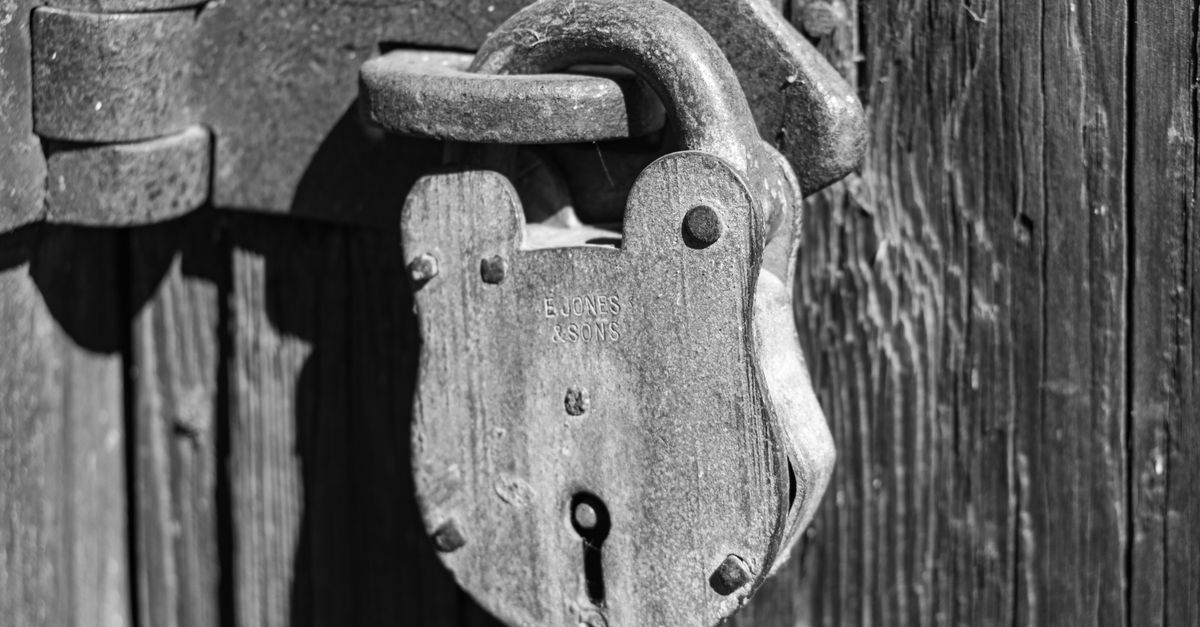
For homes equipped with a mortise lock — the larger, rectangular lock body embedded into the door edge that is common in older Baltimore County homes and certain higher-security front doors — rekeying requires a more involved process. The cylinder must be carefully extracted from the mortise body, repinned to the new key, and reinstalled with precise alignment so the lock operates smoothly. Our technicians are experienced specifically with mortise lock hardware and approach every job with the goal of damage-free service. This matters especially for historic or ornate doors found in some of the older properties near the Garrison area, where the door itself has significant value and forcing or incorrect removal would cause costly harm.