What Professional Safe Moving & Installation Actually Involves
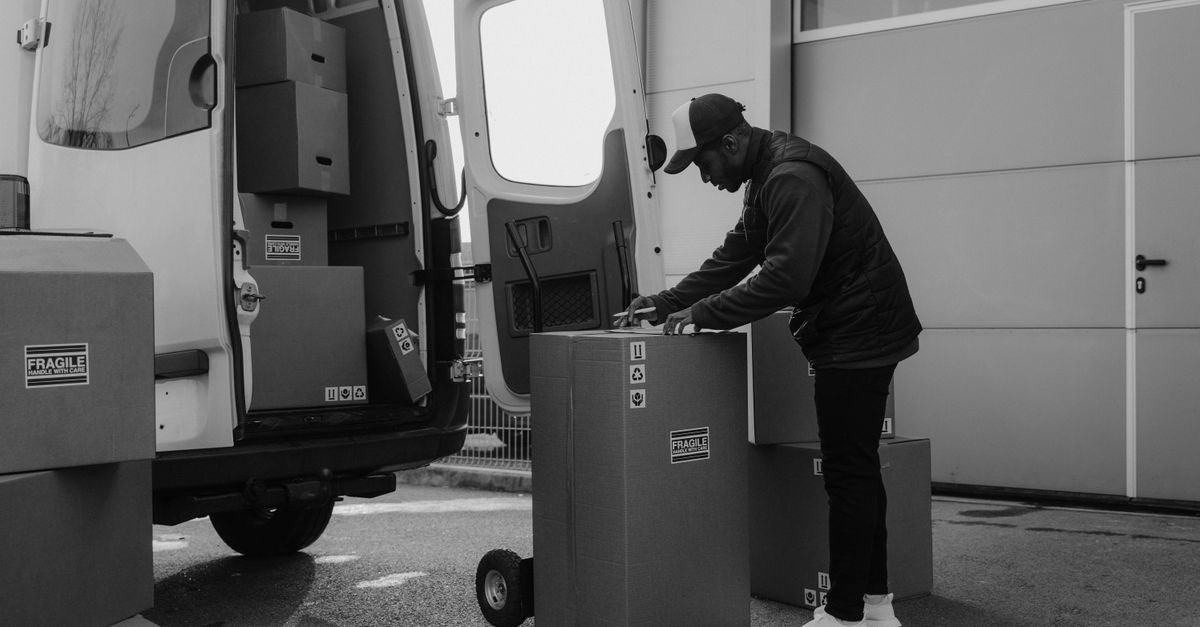
Safe moving is not simply lifting a heavy box and setting it down somewhere else. A proper relocation begins with a site survey — our technicians assess doorway widths, stairwell angles, flooring type, and the destination's structural capacity before anything is touched. Garrison homes, many of which feature the classic split-level and colonial layouts common to the northwest Baltimore County corridor, often present narrow hallways and finished hardwood floors that demand careful handling. We use stair-climbing dollies, furniture sliders, and thick protective pads to navigate these spaces without gouging trim or cracking tile. Once the safe reaches its destination, we evaluate the subfloor or concrete slab beneath it to determine the correct anchoring method.
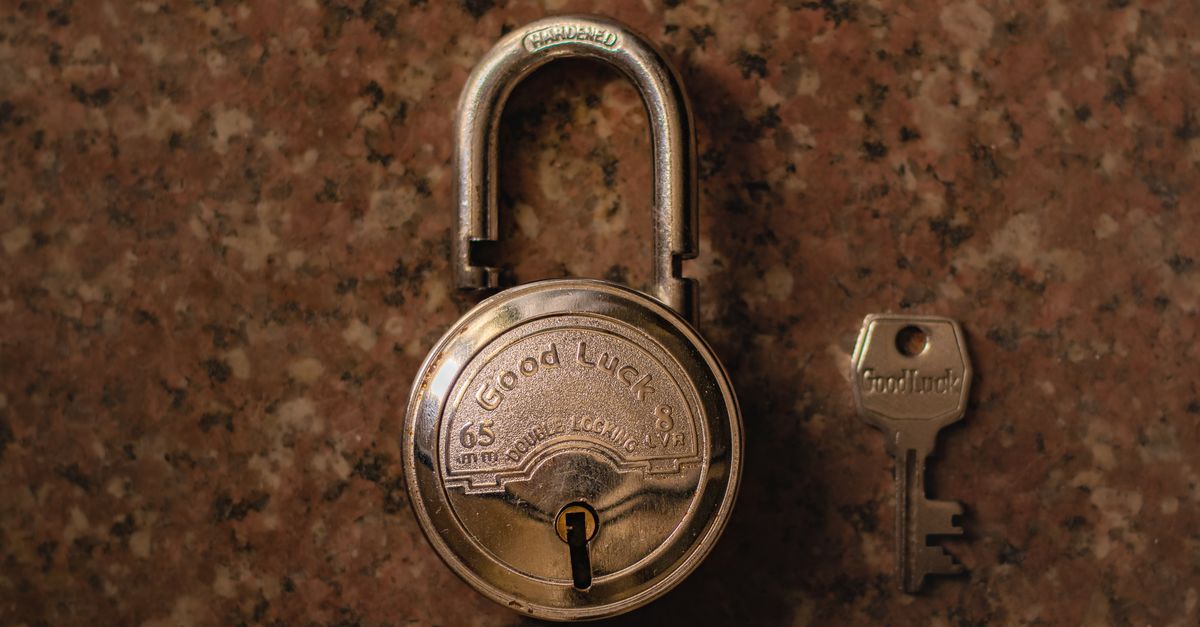
Anchoring is where many do-it-yourself attempts fall short. A safe that is not properly bolted to the floor or wall provides only a fraction of its intended theft resistance — a determined thief can tip and roll even a heavy unit out of a home if it is freestanding. Our technicians drill into the appropriate substrate, use manufacturer-specified hardware, and torque anchors to the correct specification. For commercial clients who need ADA-compliant placement or who are working within a leased space that restricts permanent modifications, we consult on alternative anchoring solutions before drilling a single hole. Every installation ends with a full operational test of the locking mechanism, whether that is a combination dial, an electronic keypad, or a mortise lock cylinder integrated into a high-security safe door.